Deposits without scaring clients away
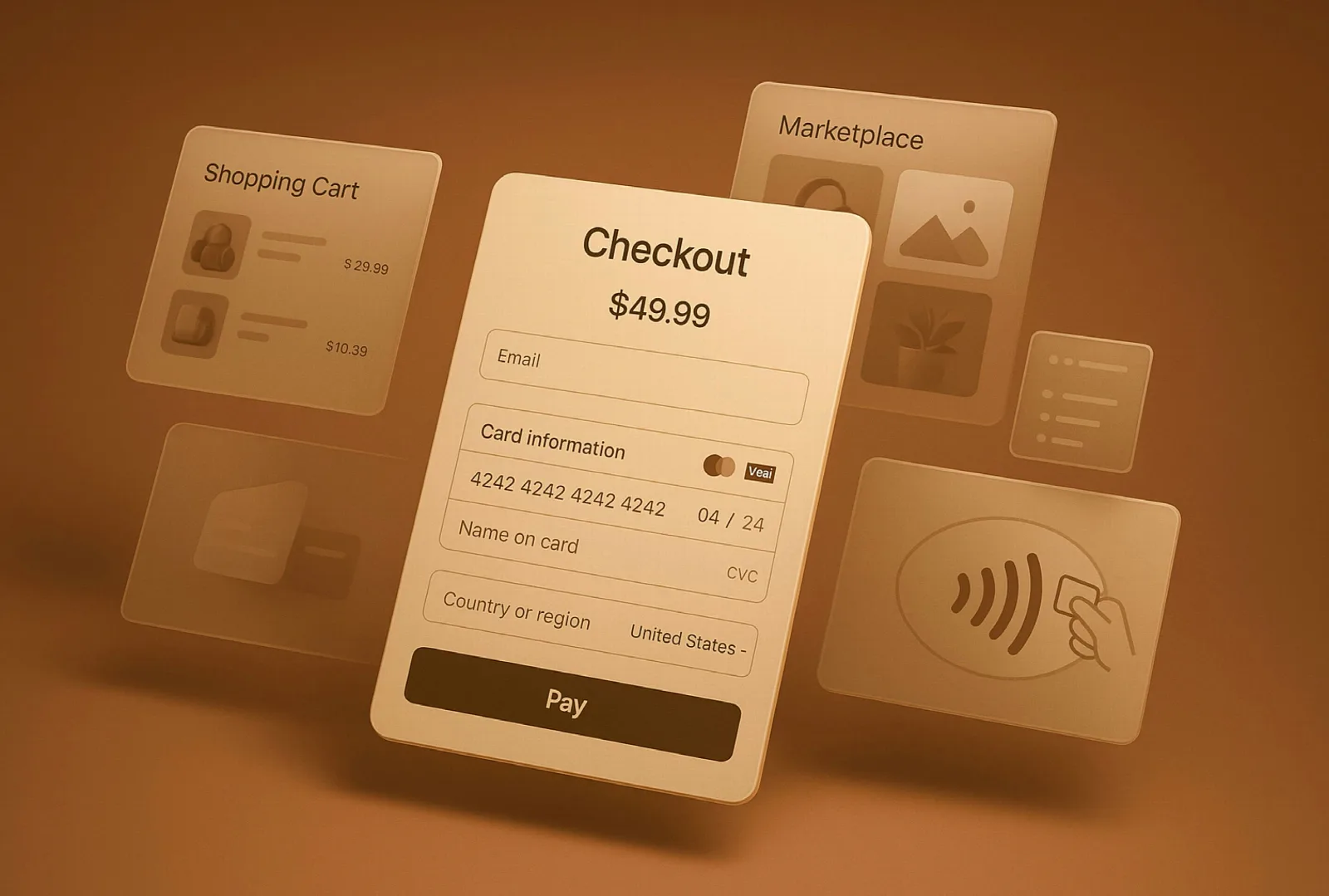

The fear is reasonable. You are adding a step between someone wanting an appointment and having one, and every extra step loses a few people. The question is not whether deposits cost you some bookings — it is whether they cost you fewer bookings than no-shows cost you slots.
That is an arithmetic question, and you can answer it for your own business in about five minutes.
The maths, honestly
Take a service you are considering. Write down three numbers:
- Its price
- How many of those slots you lost last month to no-shows and same-day cancellations
- How many of those you managed to refill
If you run a two-hour treatment at €60, lost four slots last month, and refilled one, that is €180 gone. A deposit that prevents three of those four is worth roughly €135 a month on that service alone — and you would have to lose an awful lot of bookings to friction before that stops being worth it.
Now do the same for a €15 fifteen-minute service. One lost slot, refilled the same afternoon, is worth about €15. A deposit here is a lot of friction to protect very little.
That contrast is the whole rule: the deposit belongs where the loss is big and hard to refill, not everywhere.
How much to ask for
Enough to be felt, small enough to feel fair. In practice that is usually somewhere between 20% and 50% of the price, or a flat amount that covers your unrecoverable cost — the product you mixed, the room you held, the assistant you rostered.
Two things to avoid. Do not ask for the full amount on a first booking with a new client unless the work genuinely requires it; it reads as distrust. And do not set a deposit so small it costs more in awkwardness than it protects — €2 on a €90 service is not commitment, it is a toll.
Bookify lets you set this per service, so a consultation can take €20 while a quick follow-up takes nothing. Payments covers the three modes — no payment, a deposit, or the full amount — and Services is where you choose which applies to what.
The words matter more than the number
The same policy lands completely differently depending on how it is phrased.
Avoid framing it around distrust — "to prevent no-shows" tells every honest client they are suspected of something. Frame it around what the deposit does: it holds the slot, and it comes off the final bill.
A €20 deposit holds your appointment and comes off the price on the day.
That sentence does the work. It says the money is not lost, it says what it is for, and it does not accuse anyone.
Put it where they will read it — on the service, before they pick a time, not as a surprise at the end.
Give people a way to not lose the money
A deposit policy with no cancellation window is a policy that will eventually make somebody angry, usually publicly. Decide the window in advance — 24 or 48 hours is normal — and say plainly that cancellations before it are refunded or moved to the new booking.
You will refund a few. It costs you very little and it is the difference between "fair" and "they kept my money", which is the review you do not want.
Where deposits earn their keep
The trades where this pays off fastest are the ones with long, prepared, hard-to-refill appointments: nail studios, beauty and spa, massage, and photographers, where a booked session may mean turning down a whole afternoon. Auto detailing is a strong case too — a full-day valet that vanishes is not something you fill at short notice.
At the other end, barbershops and short hair salon services usually do better with reminders alone. If you have not read it yet, the four things that actually reduce no-shows covers the cheaper options to try first.
Start with one service
You do not need a policy for the whole price list. Turn a deposit on for the single service that hurts most when it vanishes, leave everything else as it is, and look at the numbers again next month. If bookings for that service held steady and the gaps stopped, you have your answer for the rest.
- deposits
- booking deposits
- no-show fees
- prepayment
- cancellation policy
- online booking
Your next appointment could book itself.
Start free trial